Human Debt™
Human Debt™ — a framework originated in the independent research of Duena Blomstrom — describes the compounding execution risk created when human systems degrade under pressure.
PeopleNotTech applies this framework institutionally to governance, AI delivery, and transformation oversight.
It builds through:
- Silence
- Fear of exposure
- Accountability diffusion
- Chronic over-commitment
- Masking and unmanaged stress
Human Debt is not culture sentiment.
It is execution risk.
Human Debt™ is a framework originated by Duena Blomstrom. This page describes its institutional application.
The Human Risk Blind Spot
Traditional HR metrics lag outcomes. Engagement surveys lack depth. Audits reveal only what has already gone wrong.
Lagging Indicators
Governance relies on delivery, technical performance, and financial burn. Risks are only seen after the fact.
The Invisible Problem
Crucial early warnings are missed when people hesitate to speak up, challenge assumptions, or escalate concerns.
Inevitable Failure
These unseen issues lead to inevitable, costly failures that remain non-observable until it's too late.
Boards and executives remain accountable without visibility into the human system.
You cannot govern risks you cannot see.
PeopleNotTech closes this gap with real-time human risk telemetry.
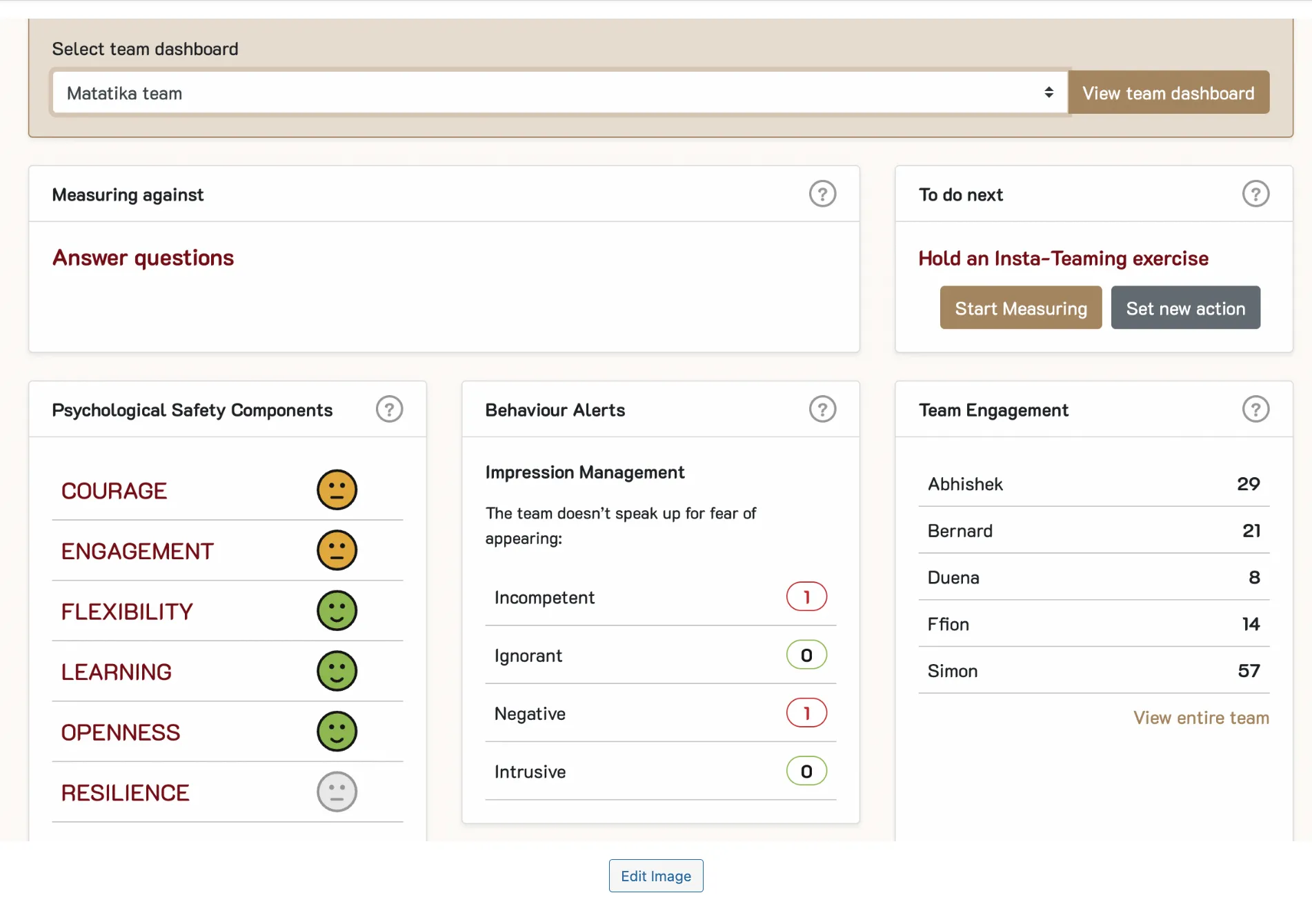
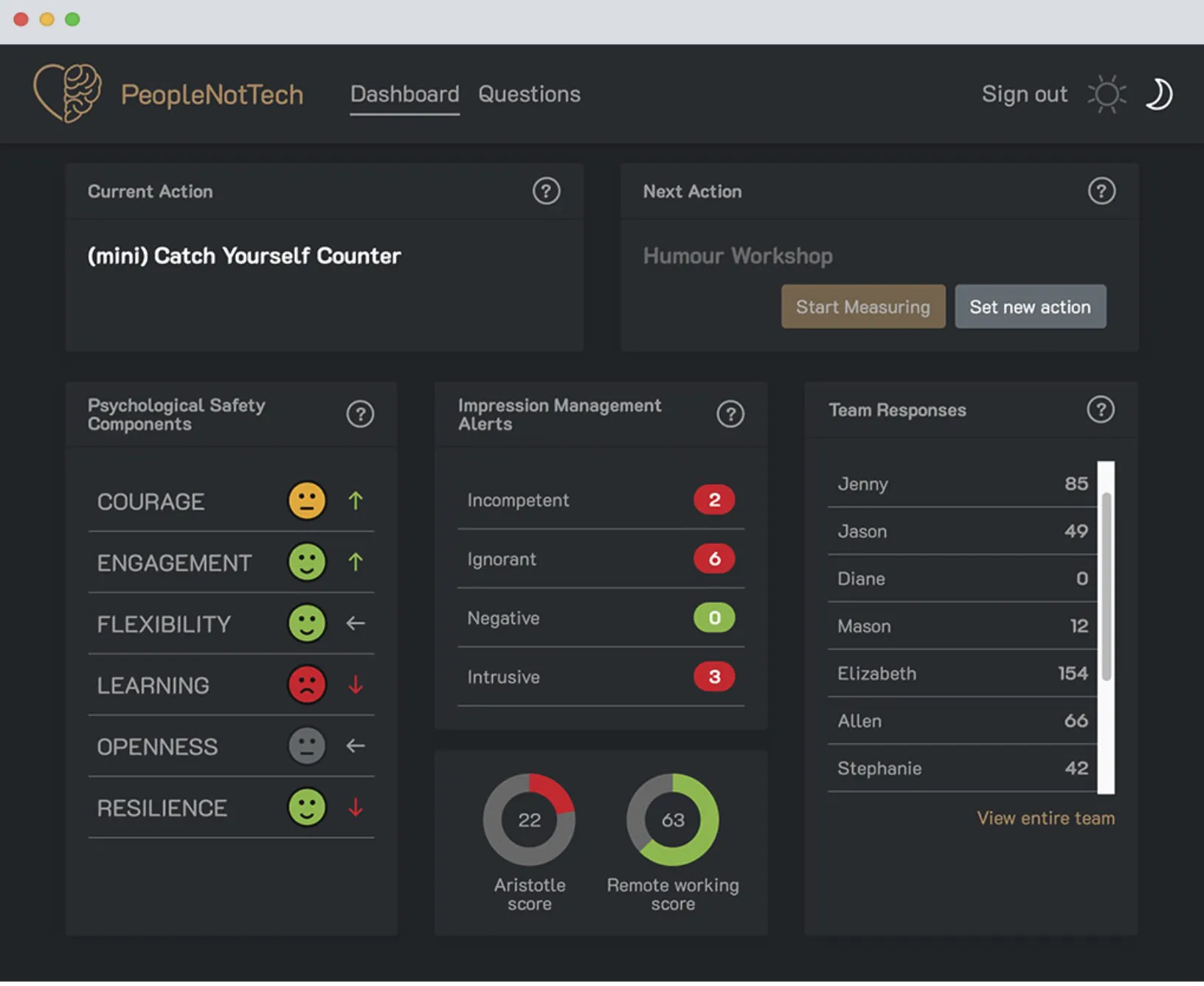
Solution Views







Unmanaged Human Debt Consequences
Unmanaged Human Debt doesn't slow organisations down in the AI era — it devastates them
AI Adoption Resistance
Progress stalls as teams resist change
Dangerous Tech Debt
Immeasurable and accumulating technical risk
Transformation Drift
Strategic initiatives get derailed
Latent Errors
Silent undermining of operations
Compliance Breaches
Leading to severe penalties
Attrition Spikes
Depleting talent and morale
What We Provide
PeopleNotTech applies Human Debt™ institutionally.
Delivered by trained execution teams, our system provides:
Real-time Behavioural Telemetry
Continuous measurement of human system health across teams and programmes
Early Warning Diagnostics
Detect emerging risk signals before they become visible failures
Board-Ready Risk Visibility
Governance-grade reporting for executives, boards, and risk committees
AI-Assisted Signal Detection
Machine learning surfaces silence, masking, and emerging failure patterns
Psychological Safety as an Execution Constraint
Treating psychological safety as infrastructure, not aspiration
This is not workshop facilitation.
It is human risk infrastructure embedded inside live environments.
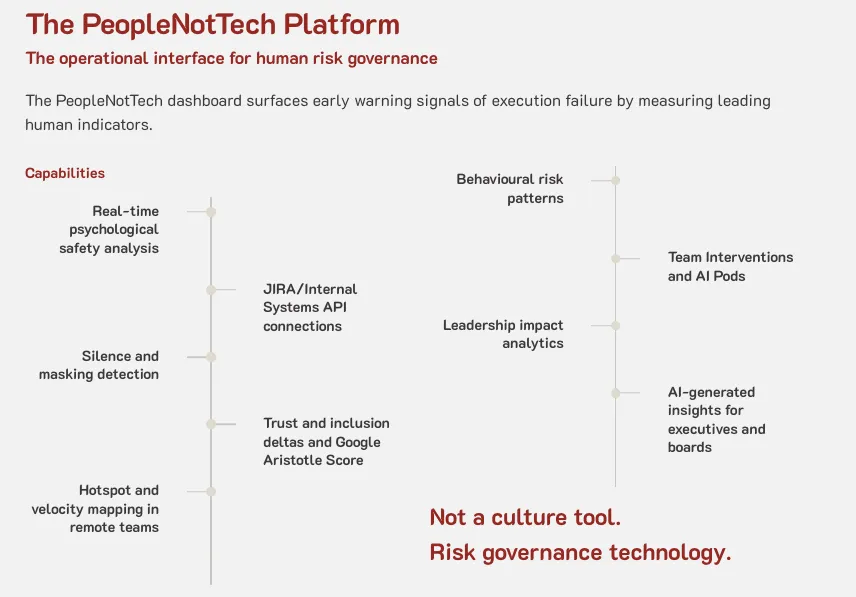
What Leaders Can Do
- Non-observable failure patterns
- Behavioural resistance
- Transformation drift
- Compliance vulnerabilities
- Human Debt levels
- Risk velocity and trendlines
- Thresholds and inflection points
- Impact of leadership actions
- CIO and COO reporting
- Risk committee oversight
- Board-level visibility
- Organisational solvency monitoring
Proven in Practice: From Human Debt to Human Risk Infrastructure
Global research now confirms what practitioners recognised early: AI success is constrained by human systems, not tools.
PeopleNotTech is an organisation focused on surfacing and governing execution risk in AI, transformation, and large-scale change.
It applies the Human Debt™ concept—originated by Duena Blomstrom—to institutional diagnostics, signal tools, and decision frameworks.
Human Debt™ — a framework originated by Duena Blomstrom — describes the organisational risk that accumulates when human systems are neglected during AI and technological transformation. PeopleNotTech applies it institutionally to governance, execution risk, and decision-making systems.
The framework captures the invisible, compounding risk that builds when people stop speaking up, concerns go unmeasured, and execution reality diverges from executive intent.
Long before AI failure rates, post-deployment underperformance, and stalled transformations became widely acknowledged, this work focused on:
- Human risk as a first-class organisational liability
- Why performance collapses after transformation launches
- The widening gap between executive strategy and lived team reality
- How fear, silence, and unmanaged exposure shape execution outcomes
From Concept to Infrastructure
PeopleNotTech applies Human Debt™ institutionally, building human risk infrastructure that moves the concept beyond theory, surveys, sentiment tracking, or workshop-based interventions.
This infrastructure includes:
- Behavioural measurement engines for environments where psychological safety is under constant pressure — informed by research such as Harvard Professor Amy Edmondson's work and Google's Project Aristotle, but engineered for operational reality beyond academic models
- High-performing team dashboards translating lived experience into execution-relevant signals
- Shared success metrics embedded directly into Agile and transformation programmes
- Psychological safety improvement methods designed for delivery environments, not training rooms
- Human-centred risk models linking behaviour, exposure, and decision-making to execution outcomes
- AI-assisted signal detection surfacing silence, masking, and emerging failure patterns before outcomes degrade
- Governance frameworks translating human dynamics into decision-grade insight for executives, boards, and regulators
This work turns culture, behaviour, and psychological safety into measurable, governable human risk intelligence.
Practitioner Validation in High-Pressure Environments
Human Debt™ instrumentation — as applied institutionally by PeopleNotTech — has been used inside hyperscale and regulated technology environments, global enterprises, and fast-moving organisations where AI-assisted development, code visibility, continuous review, and human exposure are daily operational realities — not abstract research variables.
PeopleNotTech has been used by leaders across industries including Novartis, Sports Direct, Matatika, and FedEx to detect and prevent execution failure before it impacts outcomes.
Why This Authority Matters
PeopleNotTech does not rely on opinion, personality, or consultancy credibility.
It stands at the intersection of:
- A concept originated by Duena Blomstrom (Human Debt™)
- Global research convergence
- Institutional application inside real organisations
That is why PeopleNotTech is not another AI transformation vendor. It is human risk infrastructure for organisations that need AI to work — in reality, not theory.
Trusted by forward-thinking leaders across industries and geographies to detect and prevent execution failure before it impacts outcomes.
Deployment Model
Human Debt systems are:
Architected by Duena Blomstrom
Originator of the Human Debt™ framework and methodology
Implemented by PeopleNotTech institutional teams
Trained execution teams delivering governance-grade diagnostics
Embedded within AI, engineering, and transformation programmes
Integrated directly into live operational environments
Governed through formal reporting channels
Board-ready visibility through structured governance frameworks
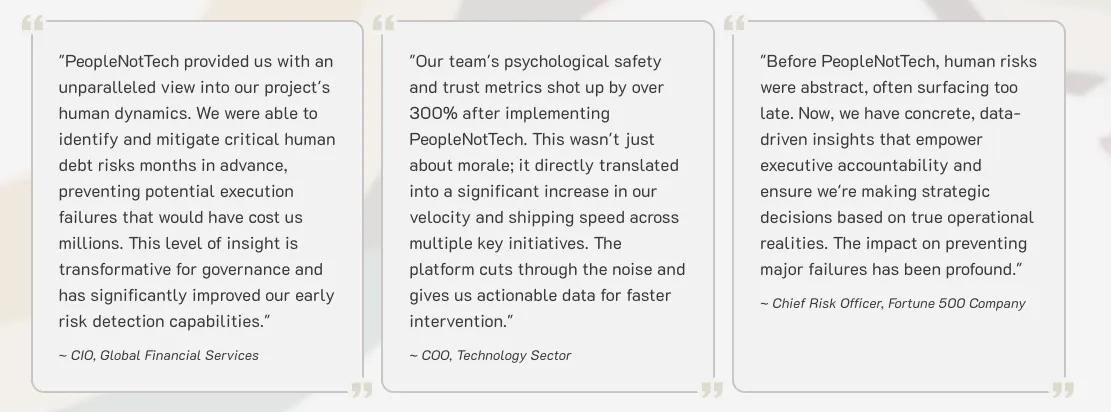
What Leaders Say